Budget 2027: REKREASI Calls for More Sustainable, Accessible Grassroots Sports Funding
Budget 2027: REKREASI Calls for More Sustainable, Accessible Grassroots Sports Funding
Fund programmes to last, not just to launch.
KUALA LUMPUR – 23 September 2026 – Persatuan Sukan Rekreasi Malaysia (REKREASI) believes the conversation around grassroots sports funding in Budget 2027 should go beyond simply allocating more money to sports and instead, focus on how existing public funding can be made more sustainable, accessible and impactful.
Budget 2026 allocated RM20 million to the Dana Sukan Komuniti (DSK), while RM584.9 million was allocated to broader sports development, including high-performance sports, preparations for the 2027 SEA Games and ASEAN ParaGames, and the maintenance and upgrading of sports facilities.
According to the Ministry of Youth and Sports (KBS), the DSK received 11,650 applications and approved 6,639 between 2023 and 2026, involving approximatelyRM80.4 million in funding. Separately, the Geran Padanan Sukan (GPS) provides funding of up to 50% of programme costs but operates on a reimbursement basis and requires programmes to have a minimum value of RM50,000.
For smaller NGOs and grassroots organisations, these mechanisms raise important questions around upfront cash flow, accessibility and the ability to sustain programmes over the longer term.
REKREASI Vice President, Syahira Zakaria said Budget 2027 should focus on two key areas for grassroots sports: ensuring greater continuity for proven programmes and creating pathways for successful initiatives to expand beyond their initial communities.
“We need to move beyond predominantly one-off fundings. K2K Juara reached 10 PPR communities in 2024, but funding challenges meant not only that we could only return in 2026, but also K2K Juara 2.0 could only cover two PPR communities. Multi-year support would give proven programmes the continuity to plan, operate and grow.”
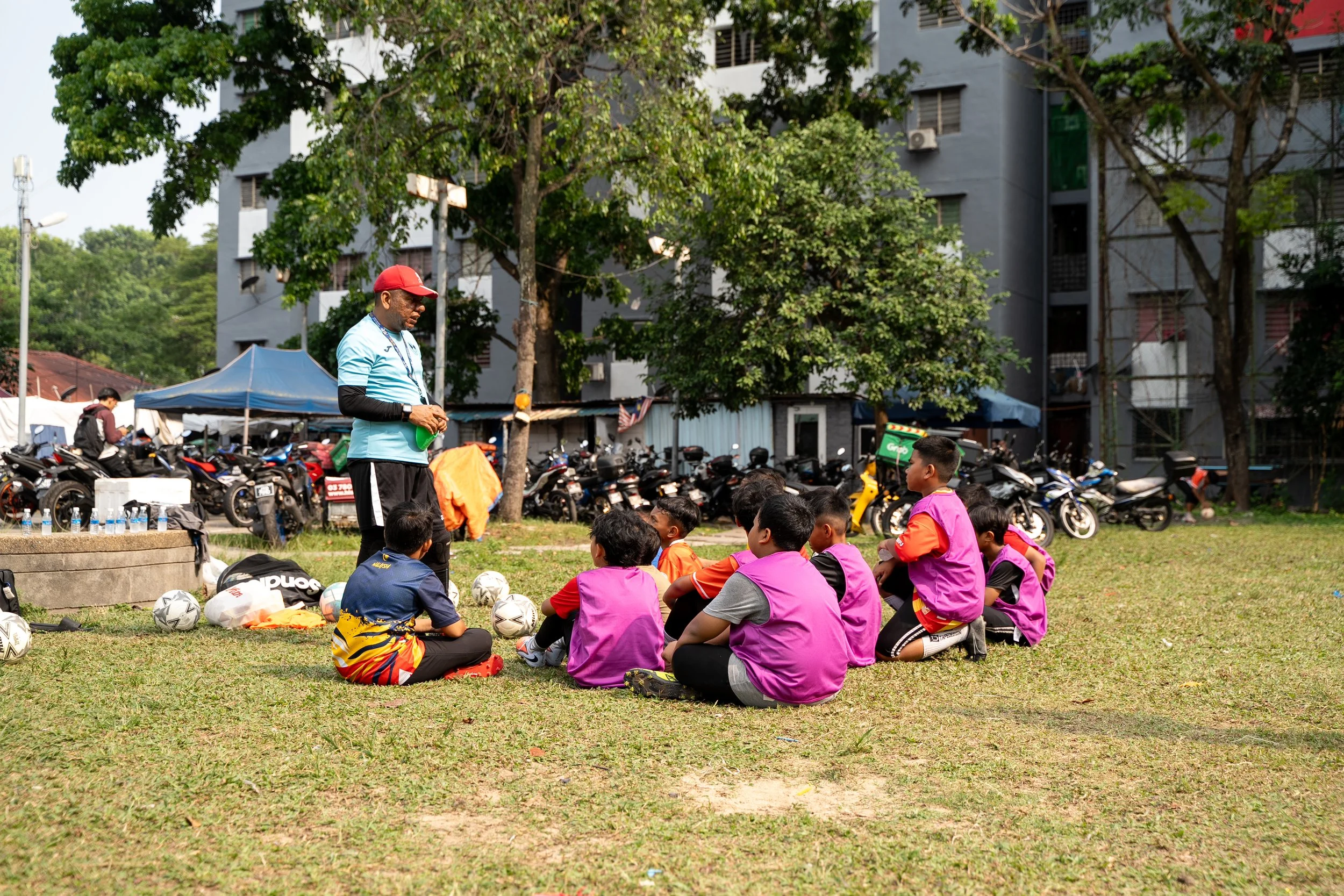
Syahira added that greater continuity should also create opportunities for successful programmes to expand geographically.
“If a grassroots programme has demonstrated its potential, there should be a mechanism to help replicate it across states. Our ambition is to take initiatives like K2K Juara beyond the Klang Valley and create more opportunities for communities across Malaysia to participate in sports.”
REKREASI Secretary-General, Ahnaf Yusri highlighted three operational priorities.
“Firstly, we need faster, better-timed funding disbursement. Funding approvals need to better align with the sports calendar. When funding arrives too close to a programme date, organisations have very little time to plan and execute effectively.”
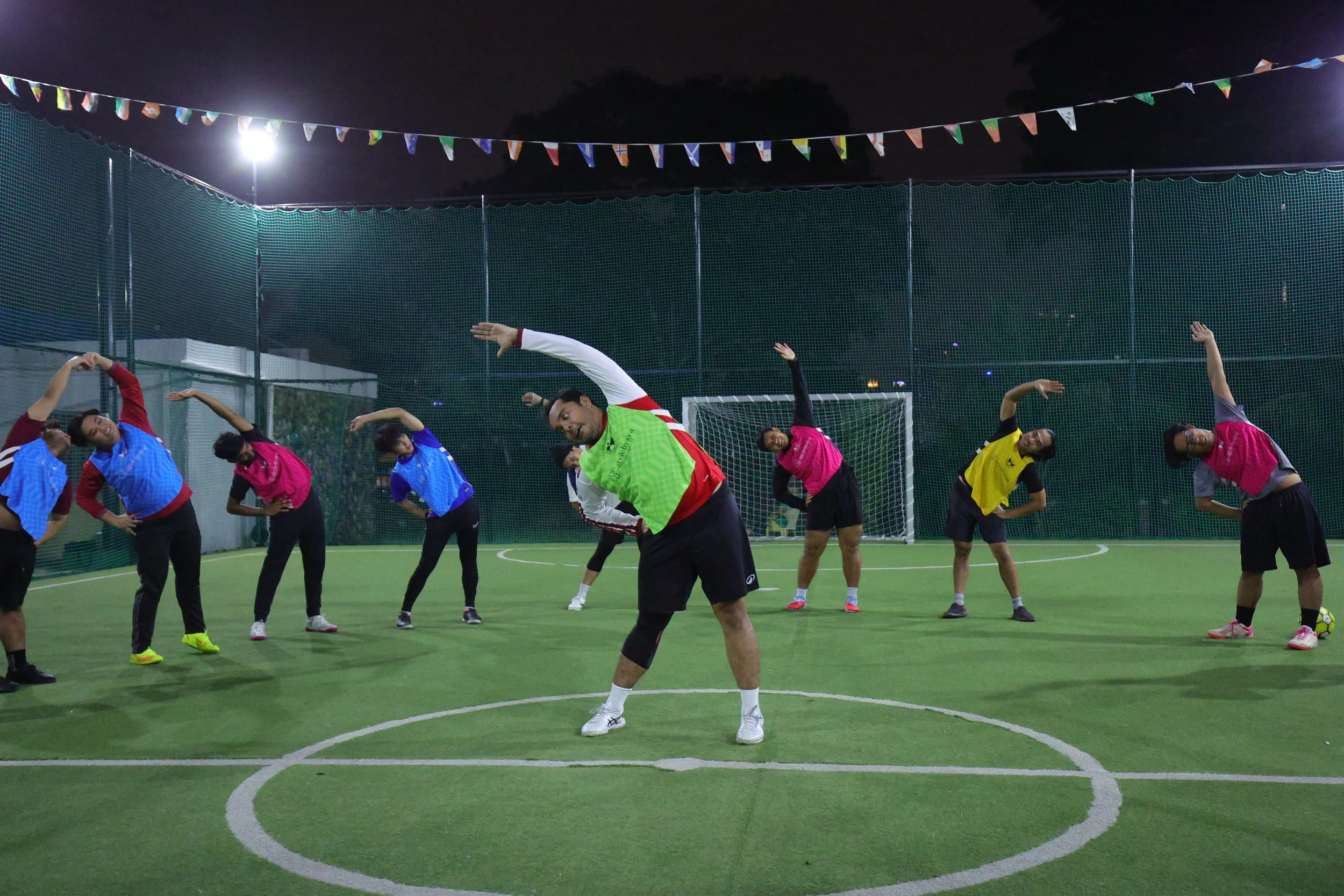
“My second ask it to reduce cash-flow barriers for smaller organisations. Reimbursement-based grants can tie up an organisation’s funds and limit how many programmes it can run at once. Funding mechanisms should take into account the upfront cash-flow realities faced by smaller NGOs.”
“Thirdly, fund the people who deliver grassroots sports. Grassroots sports relies heavily on volunteers and part-time support. Budget 2027 should consider capacity-building support for dedicated full-time community sports coordinators, enabling organisations to operate consistently and reach more communities.”
REKREASI believes Budget 2027 presents an opportunity to strengthen grassroots and community sports not simply through greater allocations, but by ensuring funding is accessible, timely and sustainable. With the right mechanisms in place, proven programmes can continue, organisations can build the capacity to deliver them effectively, and successful initiatives can expand across Malaysia to give more communities access to sports.